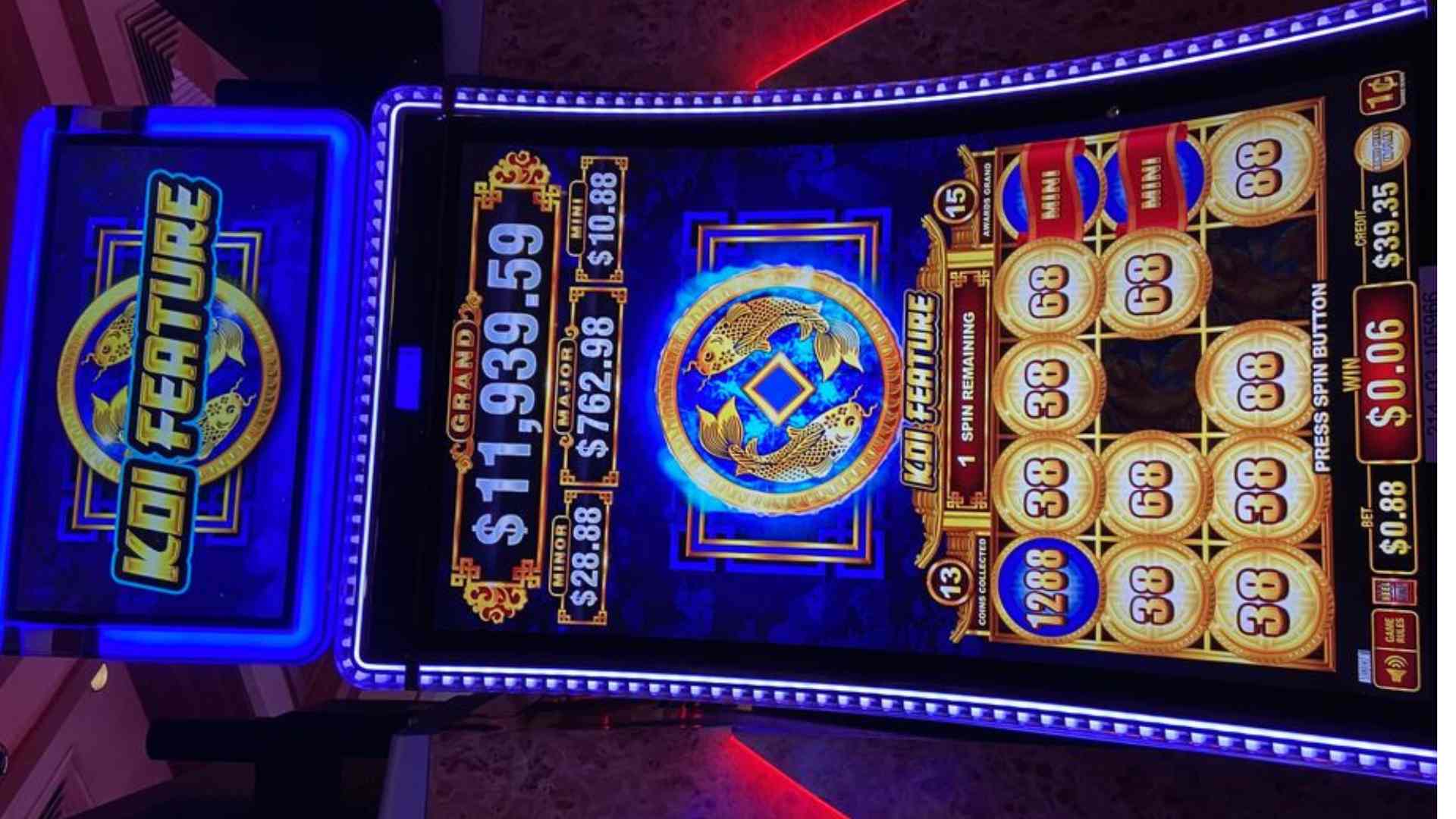
Modern digital entertainment offers an impressive range of activities designed to captivate audiences, yet long-term satisfaction often depends on personal balance. When individuals engage in interactive leisure without clear boundaries, fatigue or frustration can quickly overshadow the experience. Establishing healthy habits allows participants to preserve the thrill of continuous discovery while safeguarding their well-being.
The Psychology of Balanced Engagement
Experiencing true enjoyment requires a mindset that values quality over sheer quantity. When individuals set intentional boundaries around their gaming sessions, each experience retains its novel appeal. This balanced perspective prevents burnout and keeps digital entertainment fresh and exciting over extended periods.
Cognitive studies show that self-regulation enhances overall satisfaction during recreational activities. By establishing realistic boundaries, players maintain control over their free time and avoid emotional fatigue. This mindful approach transforms temporary amusement into a sustainable form of relaxation.
Setting Practical Boundaries for Daily Leisure
Creating clear schedules is one of the most effective ways to build a healthy relationship with modern entertainment. Allocating specific time blocks for recreational play prevents sessions from interfering with work, family, or personal goals. Consistency in scheduling allows individuals to look forward to their rest periods with anticipation.
Budget management is equally critical when participating in digital activities. Defining clear financial limits before engaging in interactive experiences protects participants from impulsive decisions. Staying disciplined ensures that entertainment remains a stress-free source of casual recreation.
Enhancing Satisfaction Through Mindfulness
Approaching leisure with focus and presence significantly improves the quality of every session. Taking periodic breaks helps players maintain clarity, evaluate their habits, and prevent decision fatigue. Stepping away periodically preserves energy and keeps reactions sharp and deliberate.
Recognizing emotional triggers is another essential aspect of smart session planning. If frustration or exhaustion begins to set in, ending a session promptly helps maintain positive memories of the activity. Returning to play with a fresh perspective ensures that the experience remains enjoyable.
Building Sustainable Entertainment Habits
Developing long-term habits requires active self-awareness and regular reflection on personal leisure routines. Evaluating how different activities affect mood and energy helps individuals refine their habits over time. Making thoughtful adjustments ensures that entertainment aligns with broader lifestyle priorities.
In the evolving digital space, prioritizing personal balance creates a rewarding experience for modern users. Combining spontaneous fun with structured guidelines allows players to enjoy interactive platforms safely. Ultimately, thoughtful moderation remains the foundation for true and lasting recreation.